
Office Layout Guide
Plan workspaces that feel calm, useful, and connected.
Offinest helps shape office layouts around furniture scale, circulation, storage access, collaboration needs, and the focused moments that make a workday feel clear.
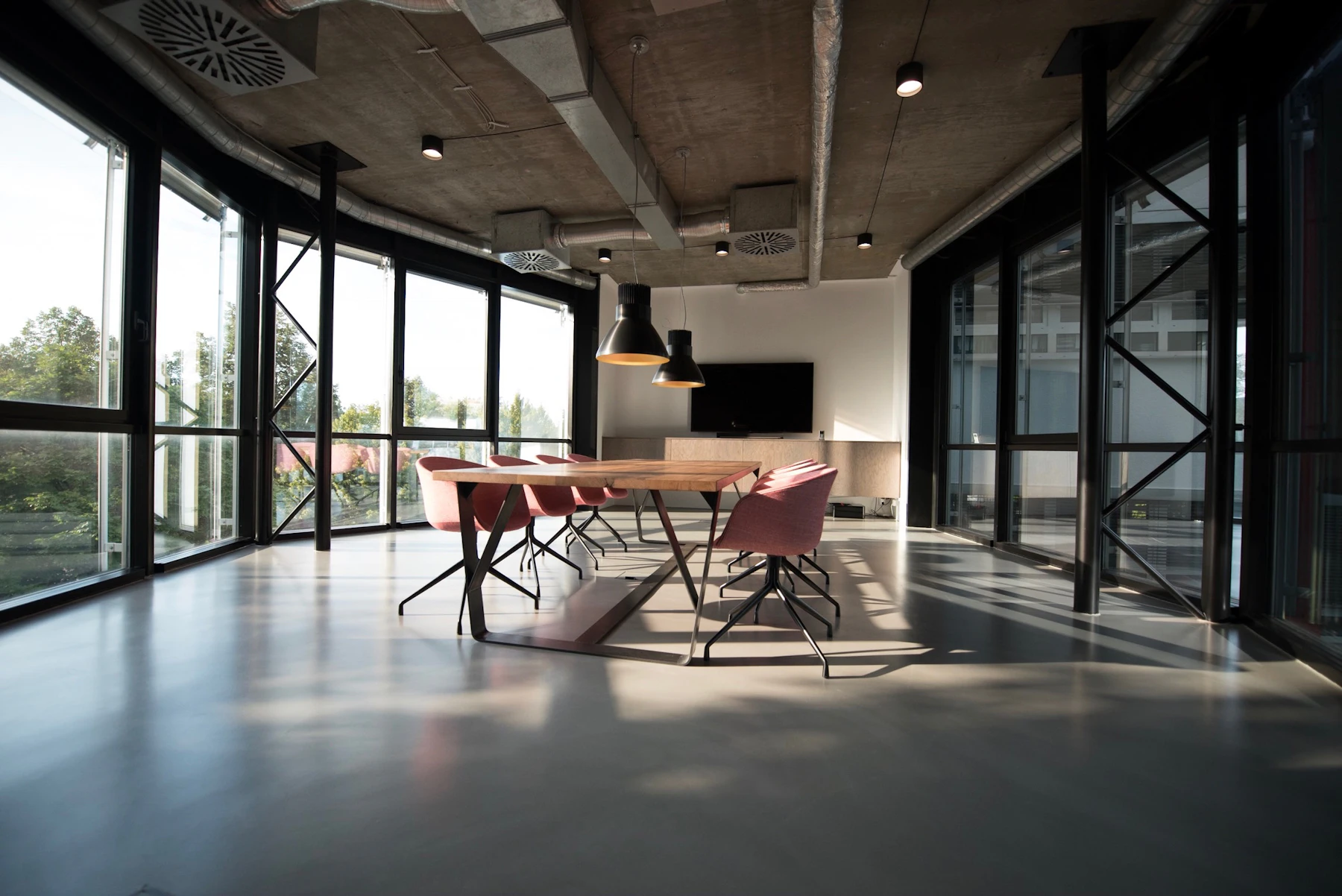
before
pieces. A strong office layout begins with movement, visibility, storage, and team behavior before individual desks or chairs are selected.
Every office needs a clear relationship between focus, meeting, storage, and arrival.
A workspace can look minimal and still feel difficult to use if the plan is unclear. Offinest layout thinking starts with daily routes, desk density, shared surfaces, storage placement, reception flow, and the way people move between individual work and team discussion.
Start with zones
Separate focus desks, meeting rooms, reception, storage, and flexible collaboration so each furniture choice has a clear role.
Workspace structureProtect circulation
Keep pathways easy to read around workstations, storage cabinets, meeting tables, and front-of-house furniture.
Movement clarityScale furniture first
Desk depth, chair clearance, cabinet swing, and table length should be planned before the room is visually styled.
Practical fitUnify finishes
Coordinated surfaces, seating tones, storage profiles, and table shapes help the full office feel composed.
Visual continuity
Use the floor plan to decide where furniture should work hardest.
The best layouts keep essential tools close, reduce unnecessary movement, and create a calm rhythm between personal desks, shared tables, storage, and transition areas.
- Place workstation rows near light and power while keeping enough chair clearance behind each desk.
- Keep meeting furniture close enough for easy access but separated enough to reduce visual and sound disruption.
- Position filing units, cabinets, and storage pieces where teams can reach them without crossing focused work zones.
Build the office from anchors outward.
Start with the major furniture anchors, then refine circulation, storage, and smaller support pieces so the workspace feels intentional from every angle.

Desk Zones
Workstations should support individual focus while leaving clear movement around chairs, storage, and shared equipment.

Meeting Zones
Conference tables and meeting chairs need enough perimeter space for entry, seating, screens, and team discussion.

Support Zones
Storage cabinets, filing units, side tables, and reception pieces keep the office organized without interrupting daily movement.
The right layout makes the furniture feel effortless.
Before choosing final pieces, confirm how the office handles entry, focus, meetings, storage, and daily transitions. A clear layout reduces clutter and gives every furniture piece a reason to be there.
Measure clearances
Check chair pullback, walkway width, cabinet access, desk depth, and table perimeter space before finalizing layout.
Control sightlines
Keep reception, meeting areas, and primary work zones visually organized from the main entry path.
Place storage wisely
Use storage where it supports workflow, not where it blocks circulation or adds visual weight to open areas.
Connect finishes
Coordinate seating, desks, storage, and meeting tables so the office feels planned rather than assembled in pieces.
Create an office layout that supports the way your team actually works.
Explore Offinest office furniture or contact us for help aligning desks, ergonomic seating, filing units, storage cabinets, meeting tables, and reception furniture into one calm workspace plan.