
Collaborative Rooms
Rooms built for ideas to move.
Offinest collaborative room furniture helps teams gather with clarity: meeting tables, supportive seating, flexible work surfaces, storage support, and room layouts that make shared work feel natural.

A collaborative room should feel ready for a quick idea or a longer working session.
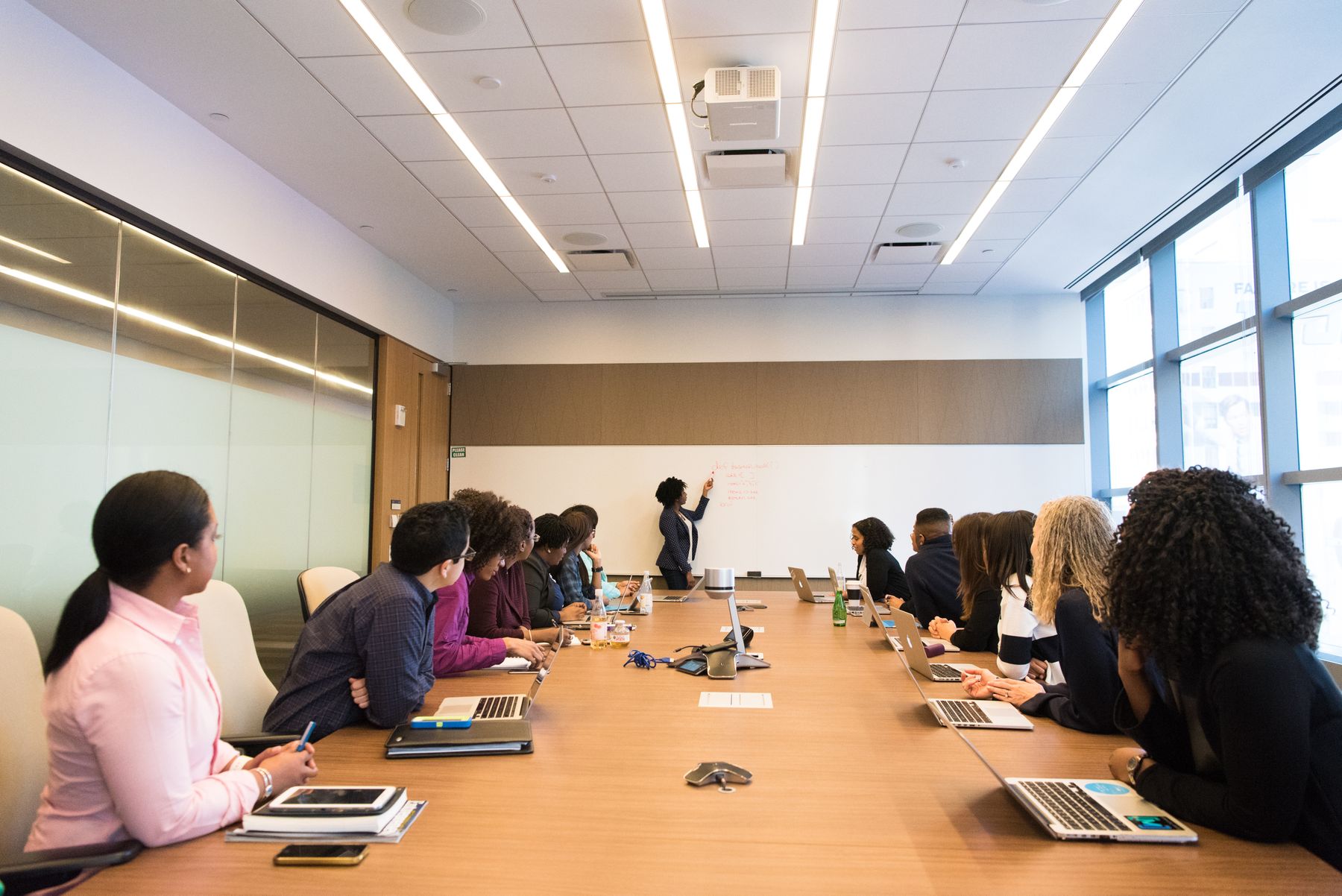
The right room supports different kinds of teamwork without changing the furniture every time. Offinest balances table scale, seating comfort, presentation visibility, storage placement, and circulation so collaboration feels structured rather than crowded.
Shared Tables
Work surfaces sized for laptops, notes, drawings, samples, and team discussion.
Comfortable Seating
Office chairs that support longer workshops while keeping the room easy to reset.
Presentation Focus
Furniture placement that respects boards, screens, cameras, and speaker visibility.
Room Storage
Cabinets and filing support keep supplies, tools, and meeting materials close but orderly.

Design the room around shared work, not just seating count.
Collaborative rooms need enough surface area for real work, enough clearance for movement, and enough storage to prevent the room from becoming a catch-all. The furniture should help the team stay engaged, then leave the space clean for the next session.
Plan the room around how collaboration begins, builds, and resets.
A well-planned collaborative room supports arrivals, discussion, shared review, presentation, storage, and a clean reset after the room is used.
Choose the room mode
Define whether the space is mainly for huddles, workshops, client review, training, or hybrid meetings.
Set the shared surface
Choose a table size and shape that supports the materials and devices used most often.
Place seating with clearance
Keep chairs comfortable and mobile while preserving clean paths to doors, screens, and storage.
Finish with reset points
Add cabinets, filing units, or support surfaces so supplies have a defined place after every meeting.

Give active work a surface that can handle movement.
Workshop rooms need tables that support laptops, printed materials, quick sketches, samples, and changing group layouts.
Keep the room polished enough for outside conversations.
A collaborative room can still feel refined when chairs, tables, storage, and presentation zones share one clear finish story.
Create a room that adapts without feeling temporary.
Flexible collaboration works best when the core furniture feels permanent and well-proportioned. Tables, chairs, storage, and support pieces should make the room easy to shift for different team sessions while keeping a premium, organized look.
Build a collaborative room that works after the meeting ends.
Explore office furniture categories or contact Offinest for help planning collaborative tables, meeting seating, storage cabinets, filing units, and modern shared work rooms.