
Focus Work Zones
Quiet zones for work that needs depth.
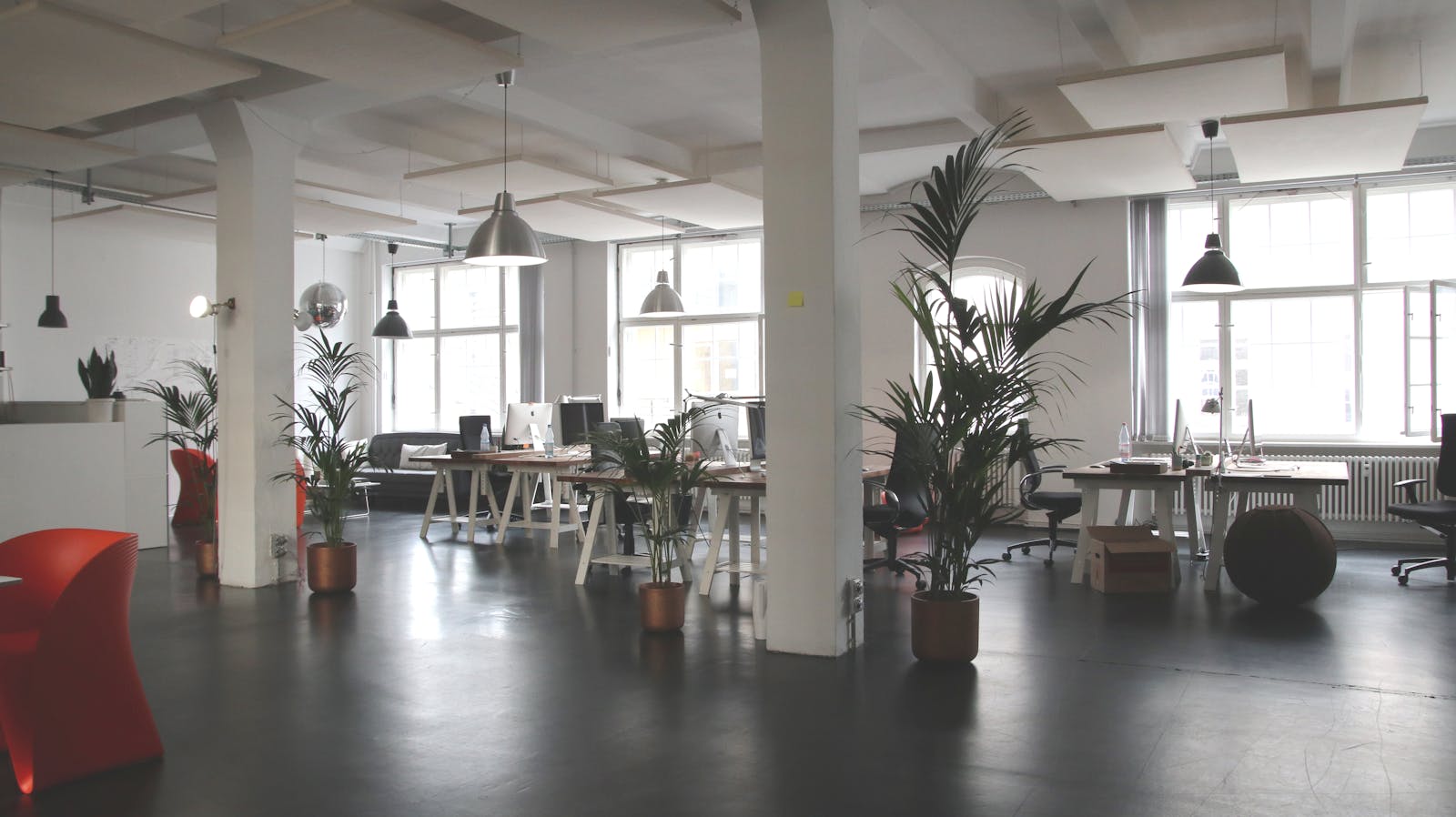
Offinest focus work zones bring desks, ergonomic seating, storage, and privacy-minded furniture into calm office settings where individual work can happen with less interruption and more visual order.
Workspace planning
A focus zone is a sequence of quiet decisions.
The right focus area is shaped by placement, sightlines, storage access, and the way people move around the space. Offinest furniture helps define those zones without making the office feel closed or heavy.
Design the zone around attention, not just capacity.
Adding more desks does not always create better work. A focus zone needs enough spacing, storage discipline, and ergonomic support to help people stay settled through demanding tasks.
- 1 Keep high-traffic paths away from deep work desks.
- 2 Use storage to reduce visible clutter across work surfaces.
- 3 Select chairs that support longer seated work sessions.
- 4 Balance privacy with a clear connection to the wider office.
A focused workspace should feel protected, not disconnected.
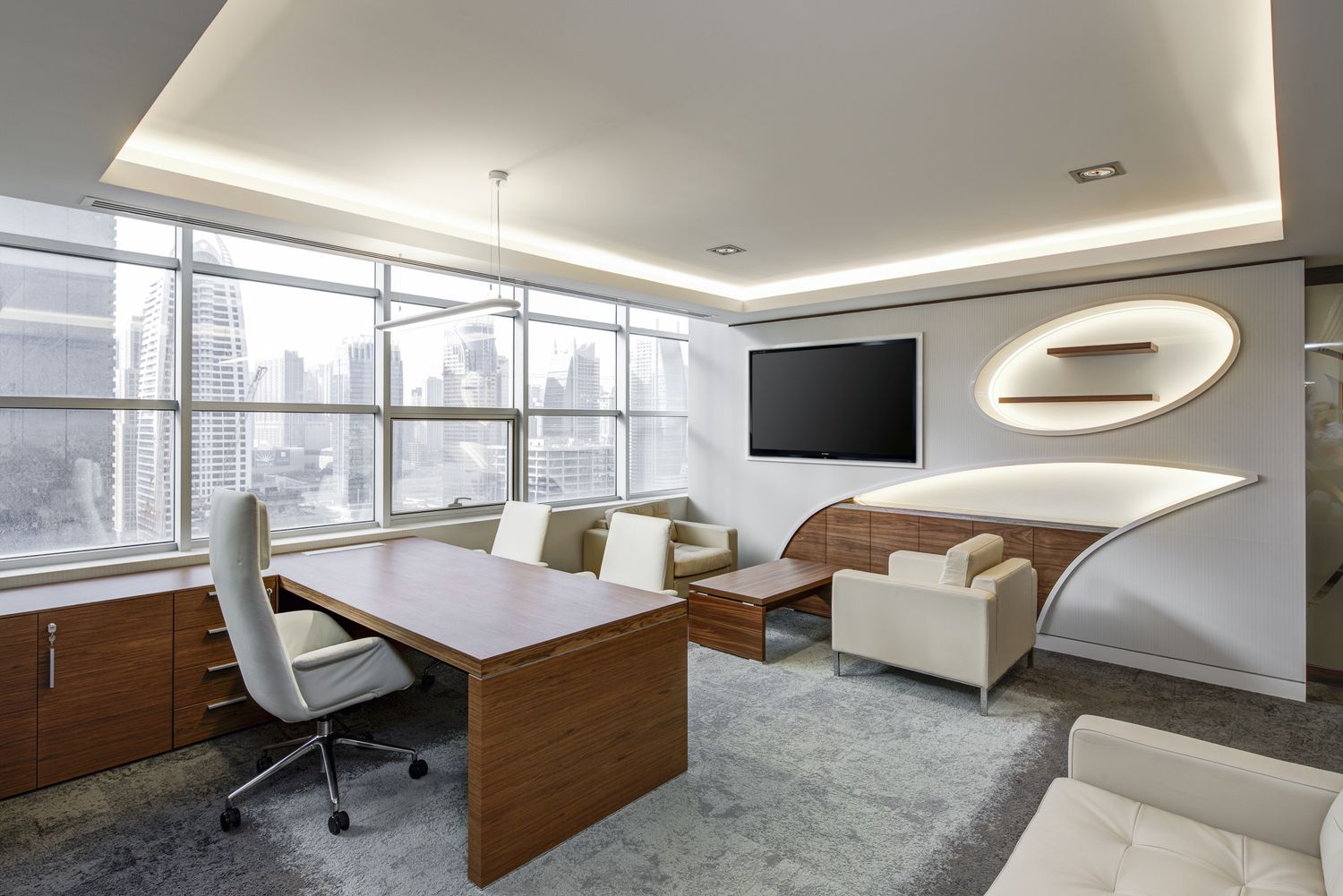
Furniture can create a sense of calm through orientation, spacing, and storage. The goal is not to hide people away, but to reduce visual interruption so work feels easier to enter and easier to continue.
- 1 Face desks toward quieter visual fields where possible.
- 2 Add compact storage for tools, documents, and personal items.
- 3 Use consistent chair profiles to make the zone feel deliberate.
- 4 Keep meeting furniture nearby, not inside the deep work path.
Furniture elements
The pieces that make focus easier to maintain.
Focus work zones rely on furniture that is comfortable, orderly, and visually restrained. Each piece should support the work without adding noise to the room.
Focused Desks
Clean desk proportions support laptop work, writing, review tasks, and long periods of individual attention.
For individual workstationsErgonomic Seating
Supportive office chairs help people stay comfortable through longer sessions without distracting from the space.
For sustained concentrationLow Storage
Cabinets and filing units keep documents and supplies close while helping desks remain visually calm.
For clear surfacesSoft Boundaries
Furniture placement can create privacy, rhythm, and calmer circulation without fully enclosing the workspace.
For open office focus
Setup method
Start with interruption points, then select the furniture.
A productive focus zone is planned around what distracts people most: movement, clutter, poor seating, and unclear boundaries. Furniture should quietly solve those issues.
Identify the calmest part of the office.
Choose an area away from constant entry paths, shared equipment, and active meeting spaces whenever possible.
Build around desk comfort.
Pair properly scaled desks with ergonomic seating so the zone supports longer, uninterrupted work sessions.
Add storage that keeps surfaces clear.
Use cabinets, filing units, or shared storage to prevent tools and documents from collecting across the work area.
Create a focus zone that feels quiet, useful, and ready for serious work.
Explore Offinest office furniture or contact us for help pairing desks, ergonomic seating, storage, and workstation pieces into a refined focus work area.