
Choosing Pieces That Support Flexible Team Routines
Choosing Pieces That Support Flexible Team Routines.
From shared tables to private workstations, adaptable furniture helps offices stay useful as teams and schedules change.

Article Focus
Flexible furniture is planned, not improvised.
The most adaptable offices feel calm because the furniture has a clear role. Workstations, seating, storage, and meeting areas should support different work modes without making the room feel temporary.
Balanced Workstations
Desks should provide enough working surface while preserving open circulation and a lighter visual rhythm.
For focused daily tasksRefined Seating
Office chairs should support posture, movement, and long work sessions while fitting the visual tone of the room.
For comfort and polishShared Tables
Collaborative furniture helps teams shift from solo work to quick discussion without disrupting the full office.
For team conversationSmart Storage
Cabinets and filing units keep work surfaces clear, making it easier for a space to change purpose throughout the day.
For clear transitionsModern teams rarely work in one fixed pattern all day. Because work routines change throughout the day, office furniture needs to do more than fill a room.
A morning may begin with quiet individual work, continue with a quick team discussion, shift into a longer planning session, and end with focused follow-up tasks. Office furniture needs to support movement, flexibility, and different ways of working.
A flexible office starts with the right foundation.
Desks and workstations should provide enough surface area for focused tasks while still allowing the room to feel open. If every workstation is too large, the space becomes heavy and difficult to adjust. If the desks are too small, the team may struggle with comfort and organization.
The best solution is usually a balanced layout: clean work surfaces, clear spacing, and furniture that supports both concentration and everyday workflow.
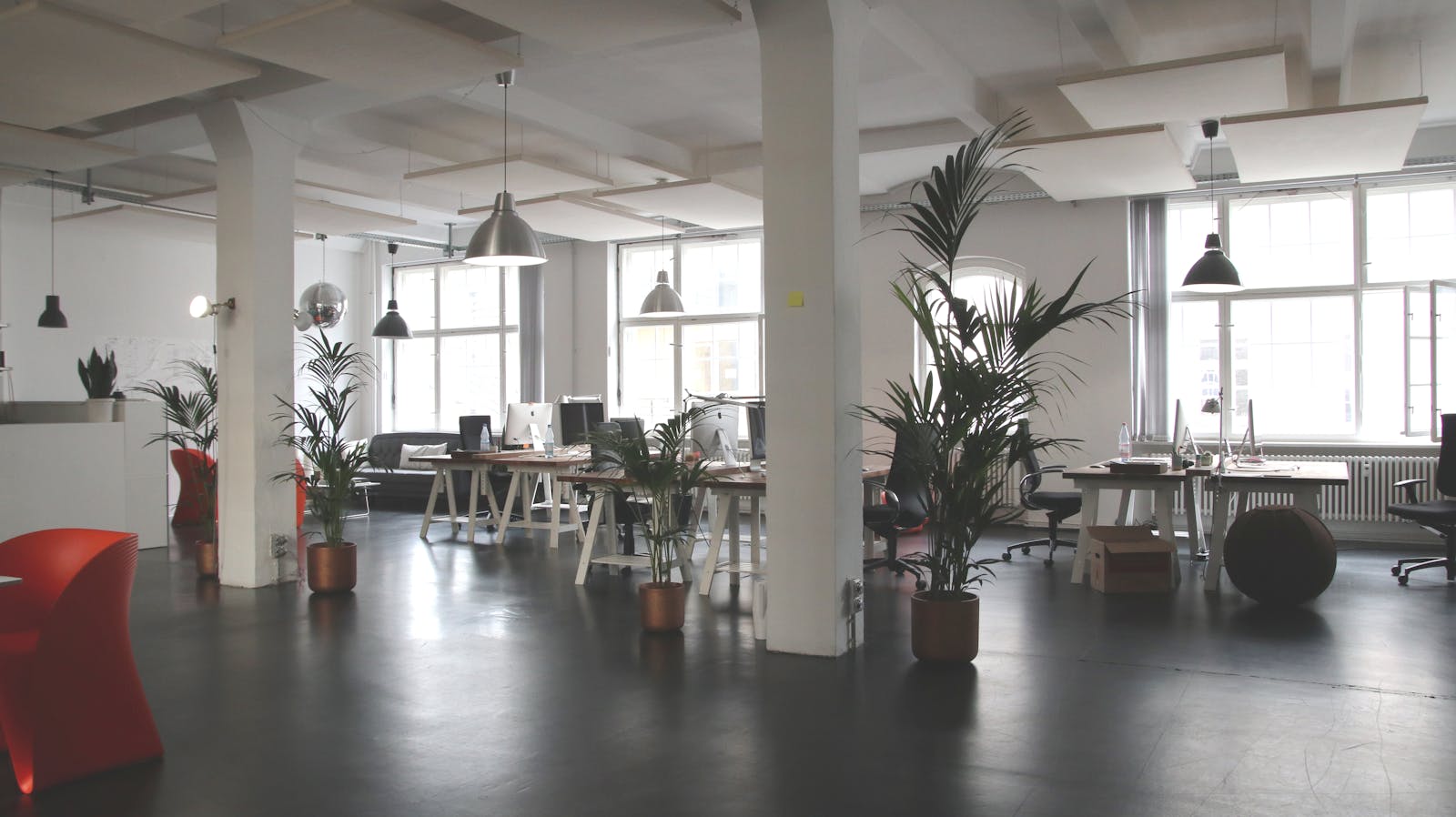
Seating should support both comfort and the tone of the space.
Office chairs should feel comfortable enough for long work sessions, but they should also fit the visual tone of the space. A chair that looks too casual may weaken a professional environment. A chair that looks formal but lacks comfort will not serve the team well.
Ergonomic seating should support posture, movement, and daily use while still feeling refined and appropriate for the office.
Flexible furniture does not have to look temporary. The adaptability is built into the planning, not displayed as clutter.
Shared tables help teams shift smoothly into discussion.
Flexible routines also depend on meeting furniture. Not every conversation needs a formal conference room, but teams still need places to gather.
A shared table, a compact meeting setting, or a collaborative corner can help people move from solo work to group discussion without disrupting the entire office. The key is to make these areas easy to access and comfortable to use.
Storage creates the reset that flexible work requires.
Storage is often overlooked, but it plays a major role in flexibility. When supplies, documents, and everyday tools do not have a clear home, work surfaces become crowded. This makes it harder to change the room’s function throughout the day.
Smart storage keeps the workspace visually calm and makes transitions easier. A meeting table can stay ready for discussion. A workstation can stay focused. Shared items can be found quickly instead of interrupting the flow of work.
Consistent design helps the office grow naturally.
Another important consideration is how furniture supports growth. A team may start with a few desks and later need more workstations, additional seating, or a better meeting setup. Choosing pieces with clean proportions and a consistent design language makes future additions feel natural.
The office can grow without looking patched together.
Neutral finishes make furniture easier to reuse.
Materials and finishes also influence how flexible a workspace feels. Neutral tones, clean surfaces, and durable textures help furniture fit across different areas of the office.
A desk can work in a private office or an open workspace. A chair can support a workstation or a meeting room. A storage piece can serve a team zone or a reception area. When finishes are too specific or too visually loud, pieces become harder to reuse as needs change.
The best furniture supports the team without forcing a rigid routine.
It gives people places to focus, gather, store, review, and reset. It allows the room to work harder without feeling crowded or complicated.
At Offinest, we believe flexible office design should still feel calm and refined. Each piece should have a purpose. Each zone should feel connected. And every workspace should be prepared for the way teams actually move through the day.
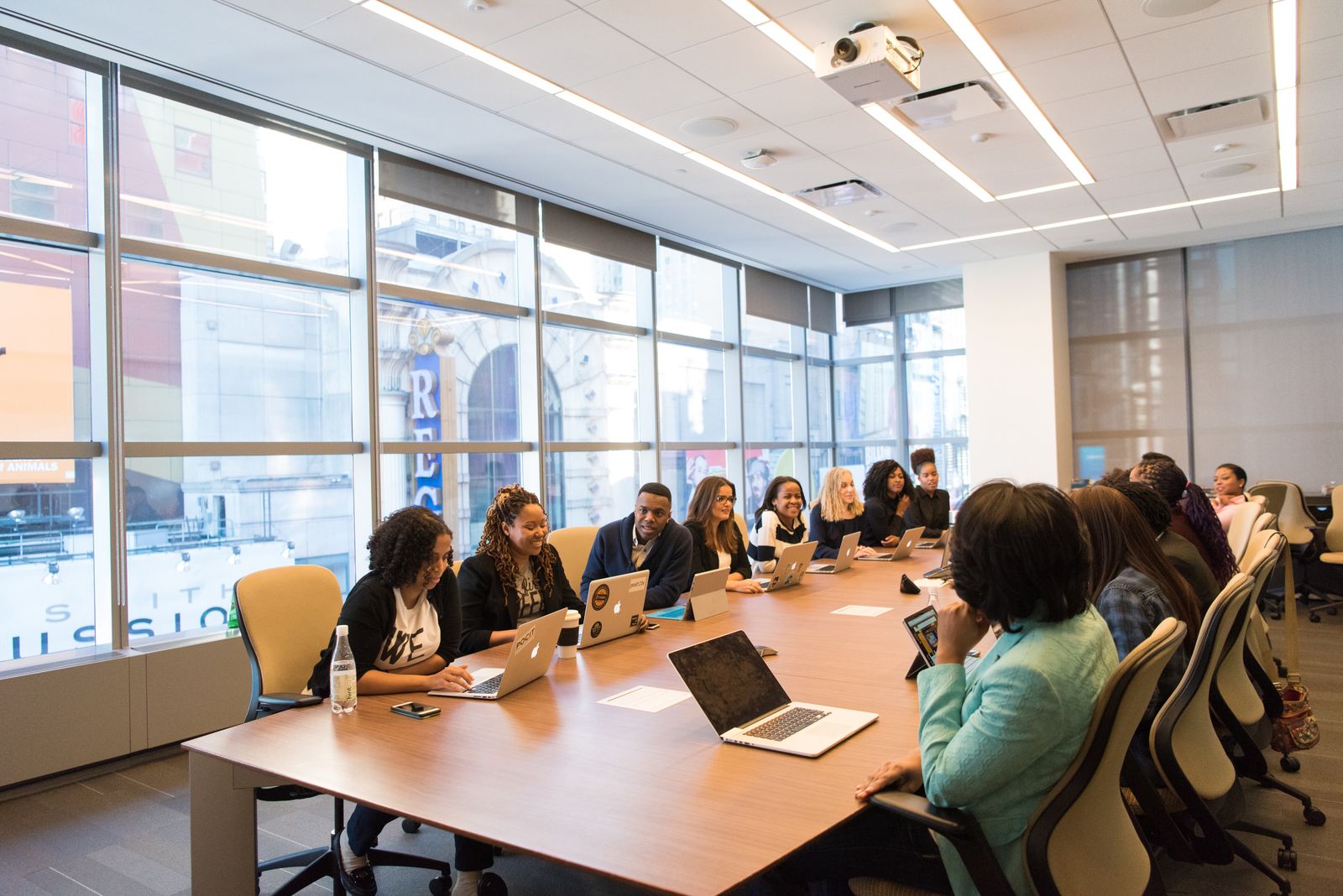
A flexible office should feel polished even when routines change.
Adaptability works best when furniture choices feel connected. Desks, chairs, storage, and meeting tables should share a clean design language so the workspace can evolve without looking uneven.
- 1 Choose workstation sizes that balance focus with open movement.
- 2 Pair professional seating with ergonomic comfort for daily use.
- 3 Add accessible meeting furniture for quick team shifts.
- 4 Use storage to keep every work mode ready for the next task.
Build a workspace that can focus, gather, store, review, and reset.
Explore Offinest office furniture or contact us for help pairing desks, ergonomic seating, storage, meeting tables, and workstation pieces into a refined flexible team environment.